
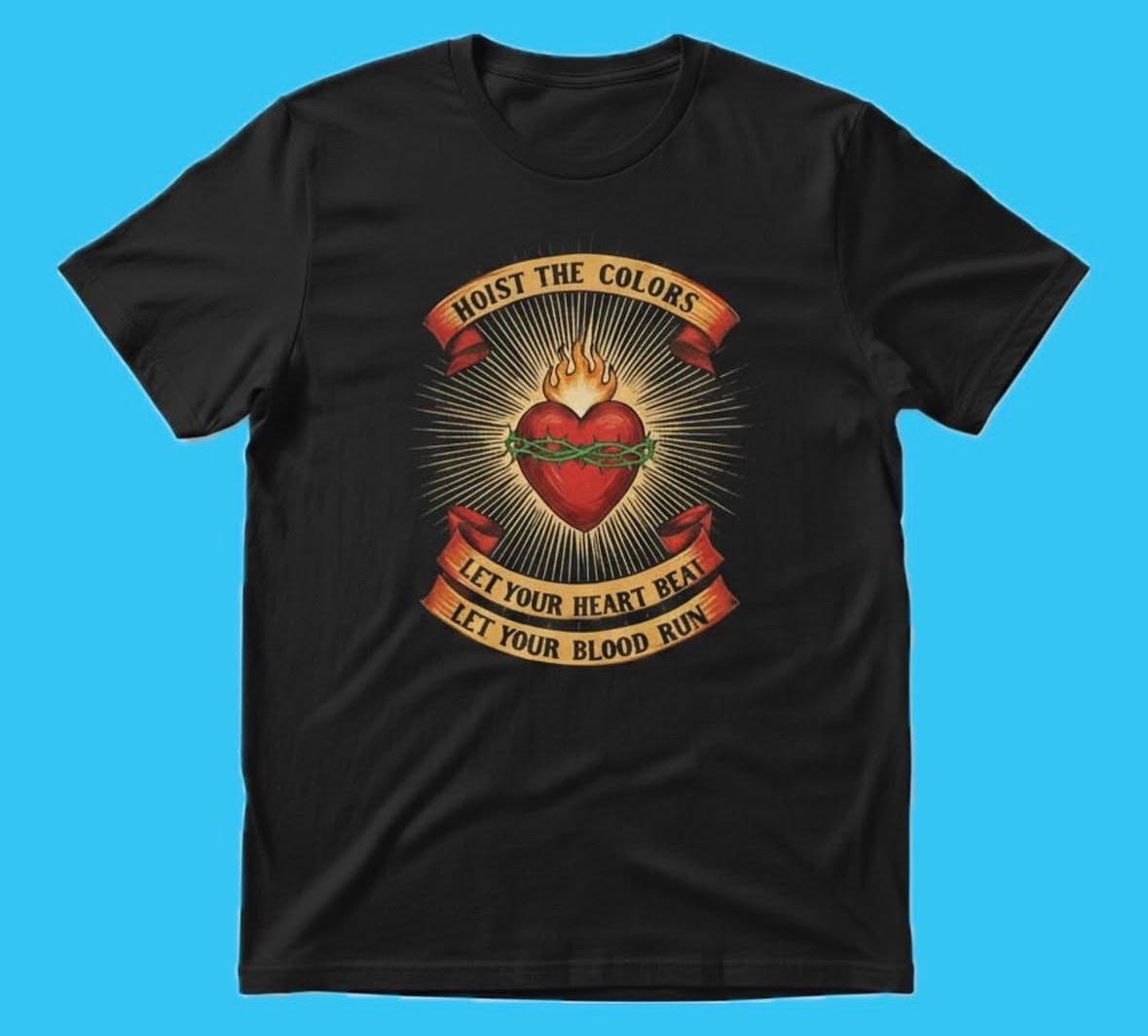
DTF vs DTG printing, explained straight.
Both put full-color art on a shirt — but they differ in feel, fabric compatibility, durability and cost. Here's the honest breakdown from a Long Beach shop that runs DTF every day, so you can pick the right method before you spend a dollar.
The 30-second answer
DTF (direct-to-film) prints your design onto a film that's heat-pressed onto the garment. It works on nearly any fabric, delivers vivid color on dark shirts, and has no setup fee — which is why it's our go-to for small full-color runs.
DTG (direct-to-garment) prints ink directly into the fabric like an inkjet printer. It has the softest feel, but only performs well on cotton, costs more per piece, and needs pretreatment on dark garments.
For most orders of 12–100 pieces with colorful art, DTF wins on versatility and price. For big runs of simple 1–4 color designs, screen printing beats both — and we'll tell you that honestly when you ask for a quote.
Side-by-side comparison
| DTF (Direct-to-Film) | DTG (Direct-to-Garment) | |
|---|---|---|
| How it works | Design is printed onto a film, coated with adhesive powder, then heat-pressed onto the garment. | A specialized inkjet printer sprays water-based ink directly into the fabric, like printing on paper. |
| Fabrics | Works on almost anything — cotton, polyester, blends, performance wear, even nylon and canvas. | Best on 100% cotton or high-cotton blends. Struggles on polyester and performance fabrics. |
| Feel | Sits on top of the fabric with a smooth, slightly flexible finish. Modern DTF is much softer than old heat transfers. | Soaks into the fibers for the softest possible hand feel — you can barely feel the print. |
| Color & detail | Vivid, opaque full color — pops on dark garments without a white underbase issue. Great for gradients and photos. | Excellent detail and gradients on light garments; dark garments need a pretreatment and white underbase. |
| Durability | Very durable — holds up to repeated washing when applied correctly. Resists cracking better than vinyl. | Good wash durability on cotton, but colors can fade slightly faster over many washes. |
| Best order size | Small to mid runs — our 12-piece minimum with no setup fee makes it the value pick for short runs. | One-offs and very small runs, but per-piece cost stays high and most shops require specialty equipment. |
| Cost at 12–48 pieces | Low — no screens, no setup fee. You pay per print, so small full-color runs stay affordable. | Higher per piece, and fewer local shops offer it — pretreatment and machine time add up. |
Choose DTF when…
- You want full-color art (photos, gradients, many colors) on a small run
- Your garments are polyester, blends, or performance fabric
- You need the same design on mixed garment types — tees, hoodies, tote bags
- You want no setup fee and a low 12-piece minimum
Choose DTG when…
- You're printing on 100% cotton and want the absolute softest feel
- You need a true one-off sample (we can still do 12 with DTF, often cheaper)
- Your art has extremely fine detail on a light-colored garment
We don't run DTG in-house — for most jobs that would use it, our DTF gets you the same full-color result at a lower price, on more fabrics.
What about screen printing?
If your design is 1–4 spot colors and you're ordering 24+ pieces, traditional screen printing usually beats both DTF and DTG on per-piece price and longevity — it's the gold standard for team uniforms, work tees and merch that gets washed weekly.
Not sure which way to go? Send us your art and quantities — we quote the method that actually makes sense for your job, not the one that makes us the most money.
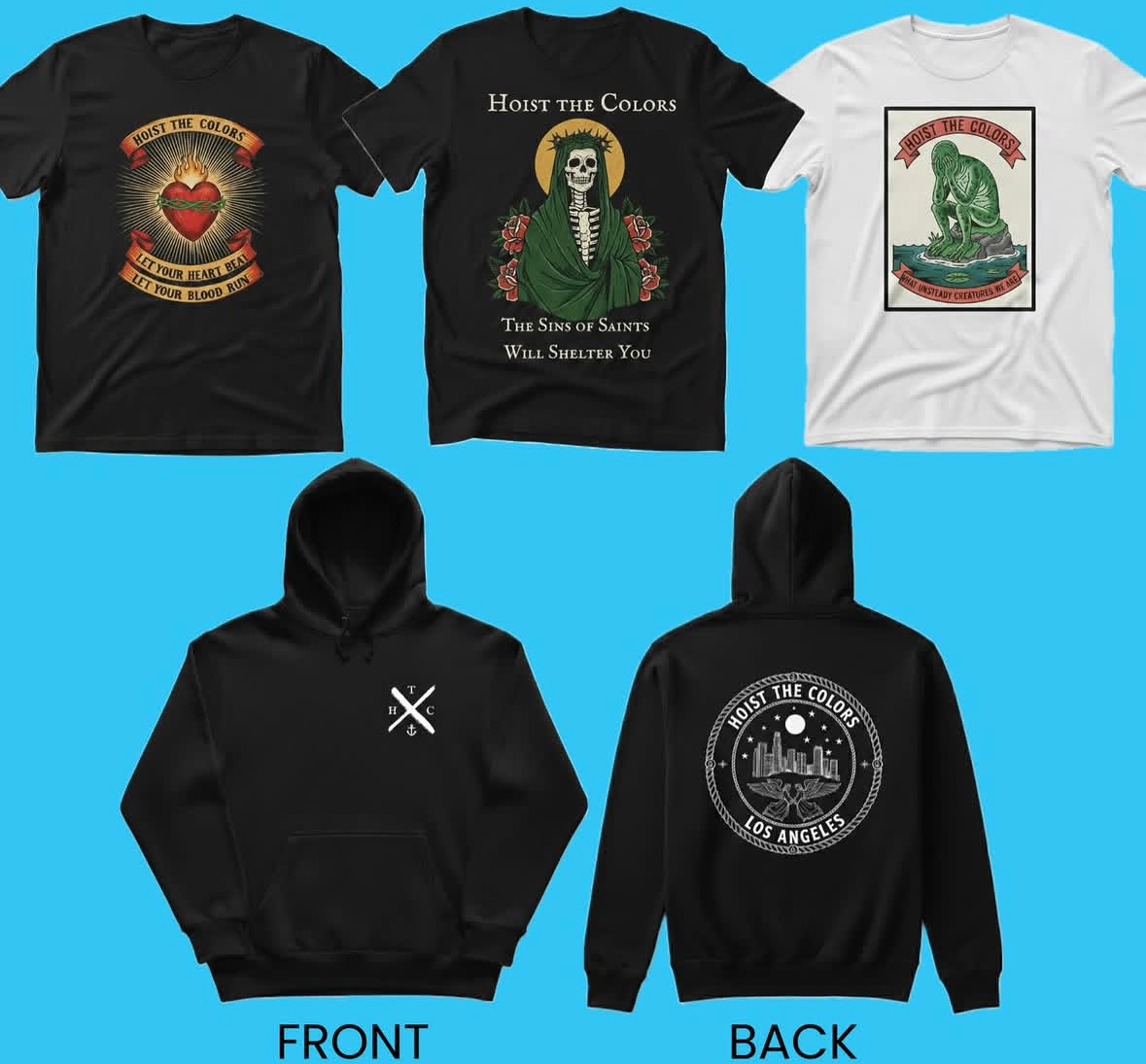
Still not sure? Let us look at your art.
Send your design and quantities — we'll recommend the right method, send a mockup, and quote it within 1 business day. 12-piece minimum, no setup fee on DTF.